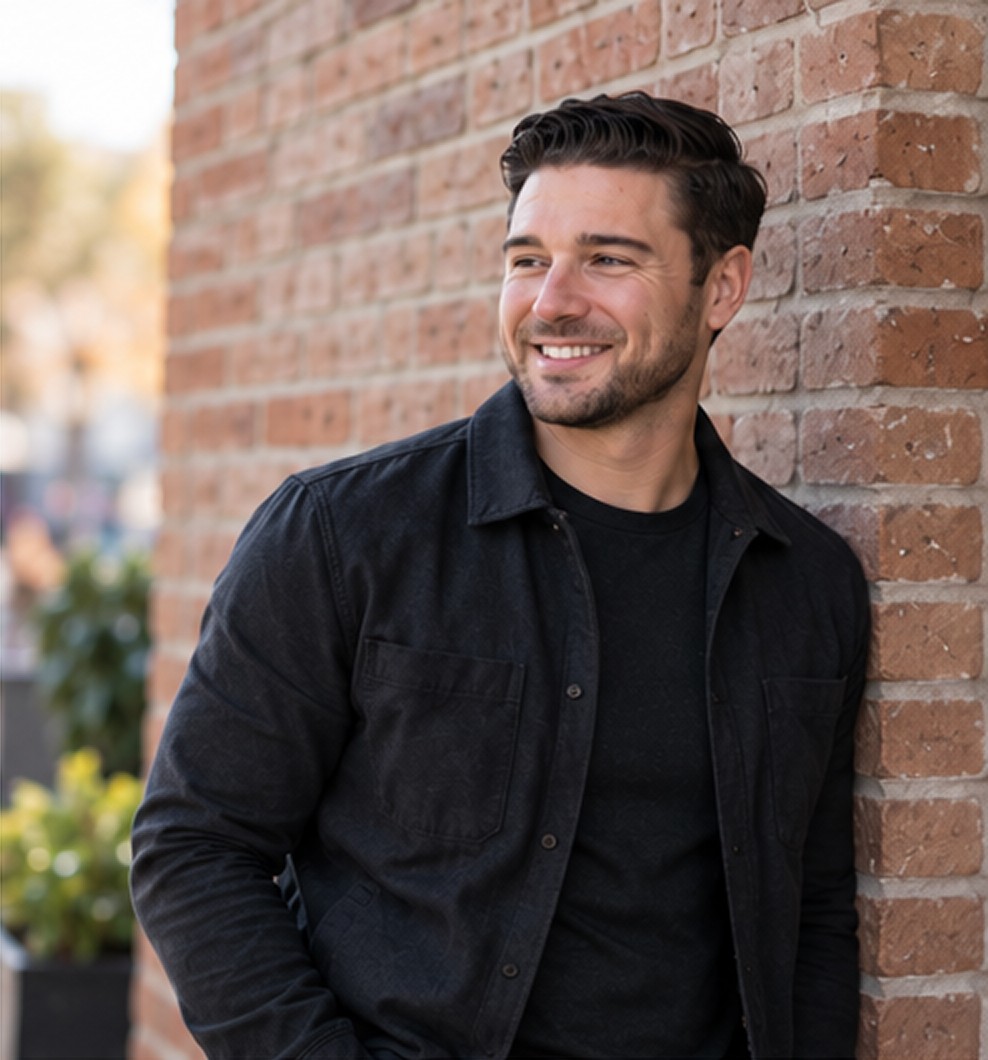
15+ years, mostly spent turning messy business problems into
software people actually use. I started as a front-end engineer and kept
moving toward the part I like best: sitting with the people doing the
work and figuring out what would genuinely help them.
Nine of those years were at Crowe LLP, a top-15 US accounting firm with more than $1B in revenue.
I started there as a front-end engineer and ended up leading product design for the firm, building the team and the design system behind more than a
hundred of its products. But here's the part that matters to you: I spent
nine years inside a professional services firm. Billable hours, client intake,
busy season, partners who need an answer without interrupting six people to
get it. I'm not learning how your business works from a blog post.
After that I led UX at The C2 Group, a 40-person digital agency,
on work like the State of Nevada's statewide web ecosystem and Modern Woodmen's member platform
— big, messy projects with a lot of stakeholders and no room to be precious
about it.
These days I also lead product and growth at Celestial Divide, a patent-pending SaaS platform for estate and family law professionals. That operation runs on the same kind of automation I'd build for you:
Claude agents handling research, list auditing, content scheduling, and
analytics — work that would otherwise need a team. So when I tell you
what AI can and can't do for your firm, that's coming from using it in a
business every day, not from reading about it.
Here's what that adds up to. I've been the engineer, the design leader
inside a firm, the agency guy juggling a dozen stakeholders, and now
someone running his own practice with his own margins to watch. I've
seen what actually works and what's just expensive. That judgment is the
real thing I'm offering you — not the automation itself, but knowing
which one is worth building.